How Does a Hyperbaric Chamber Work? Everything Explained
A hyperbaric chamber works by surrounding you with air pressure two to three times higher than normal while delivering 100% pure oxygen. That combination forces far more oxygen into your blood plasma than breathing room air ever could, flooding tissues and organs that are starved of what they need to heal. This is not a wellness trend or a biohack. It is a clinically validated therapy with decades of research behind it, used in hospitals and specialized clinics for everything from non-healing wounds to neurological recovery.
Understanding how it works at the physiological level matters because it explains why HBOT produces results that other therapies simply cannot replicate. Clinics like Wiser HBOT (Natural Healing NYC), led by plastic surgeon Dr. Itay Wiser, use this physiology as the foundation for individualized treatment plans rather than one-size-fits-all oxygen sessions. Before exploring how that applies in practice, start with what is actually happening inside the chamber.
Key takeaways
- Pressure is the mechanism: Elevated atmospheric pressure forces oxygen to dissolve directly into blood plasma, bypassing the hemoglobin system and reaching oxygen-deprived tissues.
- 100% oxygen amplifies the effect: HBOT delivers up to 20 times more oxygen to tissues than breathing ambient air at normal pressure.
- Cellular repair is documented: HBOT stimulates angiogenesis, mobilizes stem cells, accelerates collagen synthesis, and reduces damaging inflammation at a quantifiable biological level.
- Protocols are not one-size-fits-all: Pressure depth, session duration, and session count must be tailored to the specific condition and patient history.
- Medical supervision matters: A surgeon-led team builds your protocol based on evidence, not a general wellness script.
How the science translates into a treatment plan
Understanding how hyperbaric therapy works in theory is only half the picture, applying it correctly is what determines whether a patient gets results. Pressure depth, session duration, oxygen concentration, and total session count all vary based on the condition being treated, the patient’s health status, complicating factors, and specific clinical goals. A protocol designed for someone recovering from a facelift looks very different from one structured to support TBI recovery or manage delayed radiation injury. Generic session packages do not account for these differences.
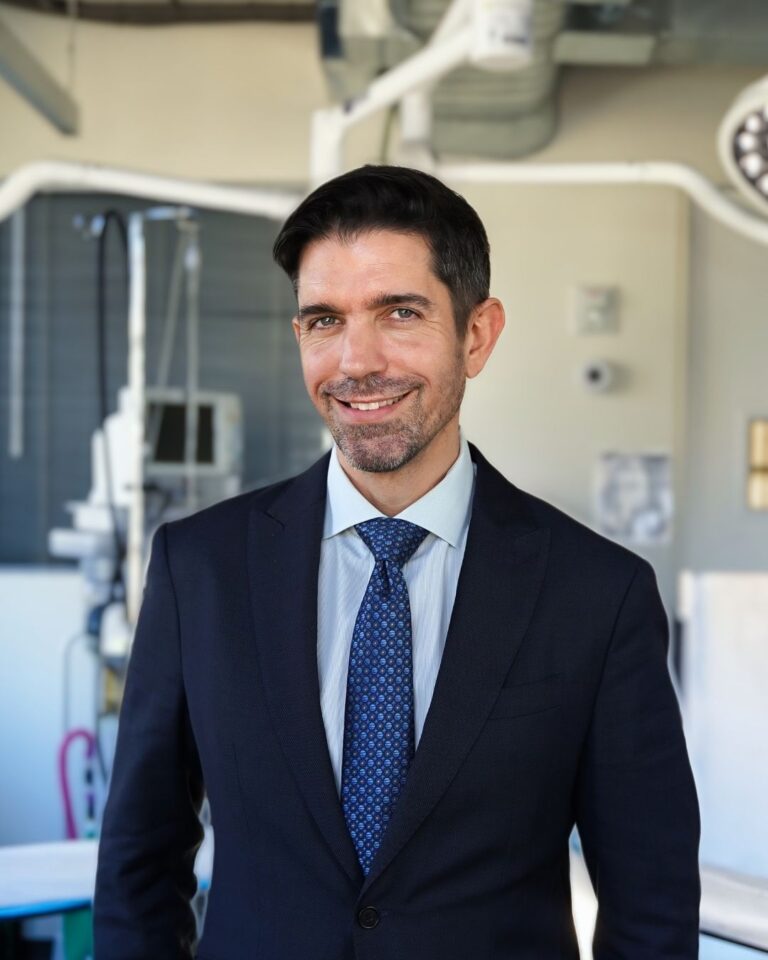
At Wiser HBOT in Manhattan, treatment plans are developed by a multidisciplinary medical team that includes Dr. Itay Wiser, a plastic surgeon with published clinical research on HBOT, alongside a certified HBOT specialist and a physician assistant. A surgeon reviewing your chart, evaluating your surgical history, and structuring your oxygen protocol is a fundamentally different clinical experience than a wellness coach managing a session count. The team assesses your history, your goals, and the evidence behind your specific condition before a single session begins.
HBOT can also be deployed at different points in the care timeline. Preconditioning uses HBOT before a procedure to prepare tissue for the metabolic stress of surgery, reducing complication rates significantly in procedures like abdominoplasty. Post-operative HBOT accelerates repair and reduces swelling after a procedure is complete. Standalone therapeutic courses address chronic conditions over a longer arc. Determining which approach applies to your situation is precisely why a thorough clinical evaluation matters before starting treatment.
What an HBOT session actually looks like
Sessions typically run 60 to 90 minutes. During pressurization, most patients notice a sensation similar to descending in an airplane: a mild pressure change in the ears that clears easily with swallowing or yawning. Once at depth, the experience is calm and quiet. Patients can read, listen music, or rest. There is no discomfort once pressure stabilizes, and most people describe the sessions as genuinely restful, consistent with the physiological state of deep tissue oxygenation.
Most patients notice early changes within five to ten sessions, though the timeline depends entirely on what is being treated. Post-surgical swelling and edema can respond relatively quickly. Neurological improvements tend to develop over a longer arc, commonly 20 to 40 sessions, as the brain adapts and repairs over repeated cycles of enhanced oxygenation. Your clinical team tracks progress using documented benchmarks throughout the treatment course, allowing adjustments based on your actual response rather than a fixed schedule.
Hyperbaric oxygen therapy has a well-established safety record under proper medical supervision. Contraindications are specific and relatively few, with untreated pneumothorax being the primary absolute contraindication. Certain medications and conditions require evaluation before treatment begins. A thorough intake assessment identifies any factors that need to be addressed, which is another reason that medically supervised HBOT at a clinic like Wiser HBOT differs meaningfully from non-clinical oxygen services that skip this step.
The bottom line on how hyperbaric oxygen therapy works
How HBOT works comes down to solving a problem most treatments cannot: getting oxygen into tissue that the body’s normal delivery system cannot adequately reach. Pressure dissolves oxygen directly into plasma, concentration amplifies the effect, and the resulting cellular response, angiogenesis, stem cell mobilization, collagen synthesis, and inflammation reduction, produces outcomes that are consistent and quantifiable across a wide range of conditions. The science is coherent from the physics of Henry’s Law all the way through to the clinical results, with each step in the chain supported by documented tissue oxygenation and angiogenesis research.
What is complicated is applying it correctly. Pressure depth, session design, and protocol structure all determine whether a patient gets results or just a bill. The clinical context matters as much as the chamber itself. A surgeon-led team with published research on HBOT is not the same as a wellness studio offering oxygen sessions as part of a package. The difference shows up in outcomes.
If you are considering hyperbaric oxygen therapy for surgical recovery, a neurological condition, an athletic performance goal, or a wellness objective, the right first step is a proper evaluation with a medical team that understands the evidence behind your specific situation. Wiser HBOT offers free initial consultations at their Manhattan clinic. Schedule a consultation to find out whether HBOT is appropriate for your situation.
Frequently Asked Questions About HBOT
What are the main risks or side effects of hyperbaric oxygen therapy?
HBOT is generally safe under medical supervision but carries some risks, the most important being untreated pneumothorax as an absolute contraindication. Mild, common effects include ear pressure changes during pressurization that clear with swallowing or yawning, and certain medications or medical conditions require evaluation before treatment begins.
Who should not receive HBOT?
Untreated pneumothorax is the primary absolute contraindication to HBOT. Other conditions and certain medications need evaluation by a medical team before starting therapy, which is why a thorough intake assessment is required.
Will hyperbaric oxygen therapy replace surgery or other standard treatments?
HBOT is sometimes a frontline therapy and sometimes an adjunct, depending on the condition; for decompression sickness and gas embolism it is frontline, while for many other conditions it complements standard care. Decisions about replacing, combining, or sequencing HBOT with other treatments should be made by a clinician familiar with the specific diagnosis and evidence.
Who designs my HBOT treatment plan and how individualized is it?
A multidisciplinary, medically supervised team designs the protocol, and I emphasize that plans must be individualized based on condition, patient history, and clinical goals. Pressure depth, session duration, oxygen concentration, and total session count are tailored rather than one-size-fits-all, and a surgeon-led team provides a different clinical experience than nonclinical oxygen services.