Does Hyperbaric Oxygen Therapy After Surgery Really Work?
Hyperbaric oxygen therapy after surgery is moving from a niche add-on to a recognized part of structured recovery protocols at surgical centers across the country. Most people picture recovery as a familiar sequence: rest at home, manage pain, follow up with your surgeon, and wait. That model works for many procedures. But an increasing number of clinicians are incorporating pressurized oxygen sessions into post-op care, and the clinical outcomes in well-matched patients are worth understanding. HBOT delivers 100% pure oxygen inside a pressurized chamber, driving oxygen into plasma and damaged tissue at concentrations that normal breathing cannot achieve. For the right patient, that extra oxygen does meaningful biological work during the healing window.
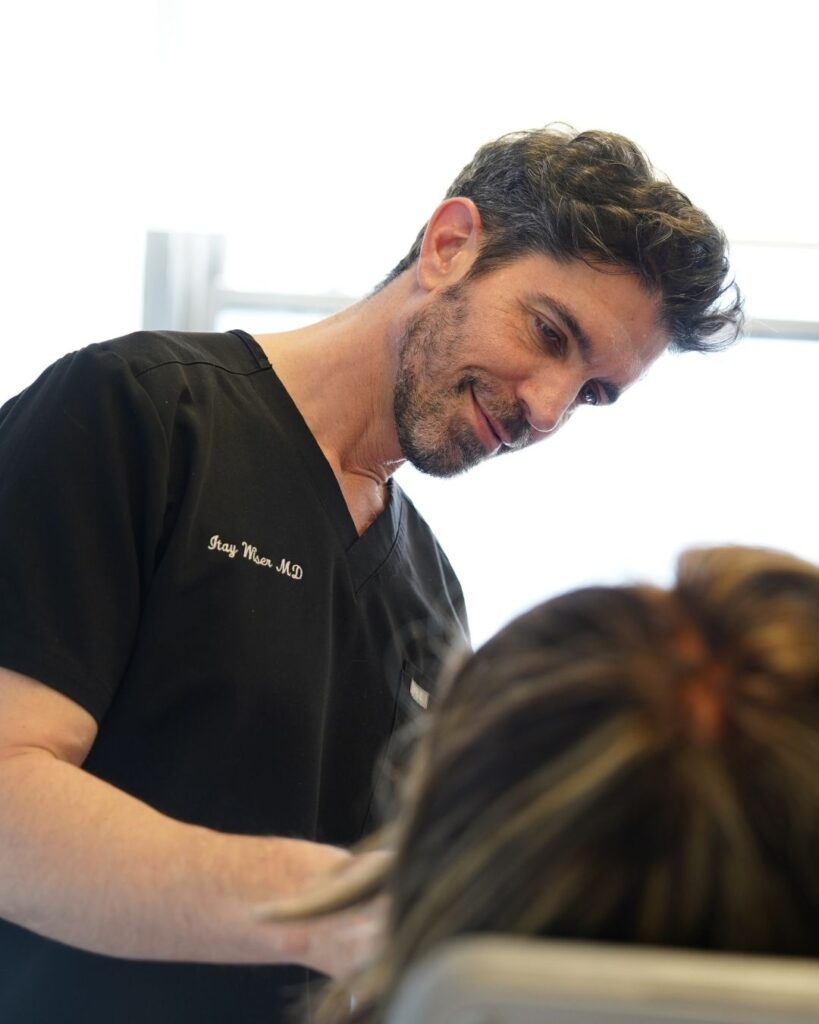
At surgeon-led programs like Wiser HBOT in Manhattan, founded by plastic surgeon Dr. Itay Wiser, post-surgical HBOT is built directly into recovery plans rather than offered as an optional add-on. That distinction matters. This guide covers the science behind how it works, which procedures benefit most, what a realistic protocol looks like, the honest risks, and how to decide whether it fits your specific situation.
What Hyperbaric Oxygen Actually Does Inside Healing Tissue
The mechanism comes down to physics and biology working together. Standard atmospheric pressure limits how much oxygen your blood plasma can carry. Inside a hyperbaric chamber operating at 2.0 to 2.5 ATA (atmospheres absolute), oxygen dissolves directly into plasma at markedly elevated concentrations, reaching tissue with compromised circulation, including the zones just beyond surgical incisions where capillary beds are damaged and blood flow is restricted.
How Oxygen Drives Tissue Repair at the Cellular Level
Most of the post-surgical benefit comes down to three converging biological processes. HBOT stimulates angiogenesis by triggering VEGF and related growth factors through repeated cycles of high oxygen and reoxygenation, prompting new capillary formation into oxygen-starved wound tissue. Fibroblasts activated by elevated oxygen tension produce more collagen, the structural protein responsible for wound closure and tensile strength. And by modulating inflammatory cytokine release, HBOT can reduce the biological signaling that drives prolonged swelling. Oxygen is the raw material cells need to rebuild, and post-surgical tissue often cannot get enough of it through damaged capillaries alone.
Why Inflammation and Edema Respond to Pressurized Oxygen
Post-surgical swelling is the result of an inflammatory cascade that peaks in the first 48 to 72 hours after a procedure. HBOT can modulate that cascade and reduce edema in appropriate patients, rather than simply masking symptoms with medication. For procedures involving extensive soft tissue dissection, abdominoplasty or facelift surgery, for example, this matters because edema that stresses suture lines in that early window can compromise healing before it has a chance to begin.
HBOT’s Role in Fighting Surgical Site Infections
Many of the bacteria responsible for the most dangerous wound infections are anaerobic organisms that are highly sensitive to elevated oxygen environments, this is particularly true of the organisms implicated in necrotizing soft tissue infections, where the microbiology is often polymicrobial but anaerobic activity drives the most destructive tissue loss. HBOT functions as an adjunct to antibiotics and surgical debridement in these situations, not a replacement. The evidence for hyperbaric oxygen therapy after surgery for necrotizing soft tissue infections and Fournier’s gangrene is the strongest in the infection category, with multiple cohort analyses associating adjunctive HBOT with reduced mortality and fewer amputations. For routine surgical site infection prevention in otherwise healthy patients, the evidence base is thinner and leans heavily on case series and retrospective reviews.
Which Surgeries See the Most Consistent Benefit
Evidence quality varies significantly by procedure type, and being clear about where the research is strong, versus where it’s still developing, is essential before making a clinical decision.
Plastic and Reconstructive Surgery: Where the Evidence Is Clearest
Skin graft and flap survival is the best-supported postoperative application for HBOT. When a graft or flap develops poor perfusion after surgery, restoring oxygen to that ischemic tissue directly addresses the mechanism of failure. Published meta-analyses of skin flap transplantation report meaningfully higher flap survival rates with HBOT compared to controls; one randomized study documented 64% complete flap survival in the HBOT group versus 17% in the control group. Abdominoplasty, facelift, and breast reconstruction all involve tissue planes that can develop compromised blood supply, which is why clinics like Wiser HBOT, led by a plastic surgeon with focused expertise in post-surgical recovery, build HBOT protocols directly around these procedures.
Vascular, Orthopedic, and Cardiac Surgery
Vascular and ischemia-related post-op wounds have meaningful supporting data, particularly when tissue perfusion is compromised after arterial surgery or revascularization. Orthopedic use for nerve repair and bone healing shows real promise, but the supporting literature consists mostly of smaller studies and case series rather than large randomized trials. Cardiac and scoliosis surgery infection data exists, and retrospective cohort reviews report faster healing in some surgical site infections after these procedures; published systematic reviews consistently note, however, that definitive randomized controlled trial data in these areas remains limited.
Diabetic Foot Surgery and Chronic Wound Surgery
This is where longer HBOT courses have the most robust protocol data. Diabetic microangiopathy means that baseline tissue oxygenation is already compromised before the surgical incision is made, so hyperbaric conditions provide a more dramatic relative benefit. Courses of 30 to 40 sessions at 2.4 ATA are well-documented for diabetic lower-extremity wounds, and this indication carries one of the clearest Medicare coverage pathways of any post-surgical HBOT application.
Risks, Contraindications, and Who Should Hold Off
HBOT has a strong safety record in medically supervised settings, but it is not appropriate for everyone and carries real risks worth understanding before you commit.
Absolute Contraindications and Relative Cautions
Untreated pneumothorax is a well-established absolute contraindication, pressure changes inside the chamber can convert it into a life-threatening tension pneumothorax. Intraocular gas (air inside the eye following ophthalmic surgery) is similarly considered an absolute or near-absolute contraindication, as chamber pressure changes can cause serious complications. Beyond these, several relative contraindications require individualized clinical assessment before proceeding:
- Recent ear, sinus, or thoracic surgery
- COPD, emphysema, or pulmonary blebs
- Active upper respiratory infection or fever
- Seizure disorders or medications that lower the seizure threshold
- Chemotherapy drugs including bleomycin, cisplatin, and doxorubicin (risk varies by agent and timing relative to treatment)
- Claustrophobia
- Pregnancy (assessed on a case-by-case basis per treating physician guidance)
Common Side Effects and Perioperative Safety Concerns
Middle ear barotrauma is the most frequent adverse effect, followed by sinus pressure, temporary myopia, headache, and mild fatigue. For post-surgical patients, the critical safety step is coordinating with both the operating surgeon and the hyperbaric team before starting treatment, especially when surgical air pockets, drainage tubes, or fresh incisions are involved. Pre-treatment screening should include a medication review, chest assessment where clinically indicated, and confirmation that hemostasis is stable. Medically supervised HBOT at a properly credentialed facility is a categorically different clinical experience from a session at a wellness studio, and that difference is significant for someone in the early weeks of surgical recovery.
Frequently Asked Questions About HBOT After Surgery
How soon after surgery can I start hyperbaric oxygen therapy?
For most elective procedures, HBOT can begin within 24 to 48 hours. Higher-risk operations typically require a 48 to 72 hour window to confirm stable hemostasis. When a complication such as a threatened flap develops, starting within 72 hours of recognition gives the best chance of intervention.
What is the difference between medical HBOT and wellness hyperbaric chambers?
Medical hyperbaric oxygen therapy after surgery requires chambers operating at 2.0 ATA or higher with physician oversight. Wellness chambers typically operate at pressures well below therapeutic thresholds and are not appropriate for post-surgical care.
How many HBOT sessions will I need after surgery?
Session count depends on the procedure and your recovery. Elective cosmetic recovery typically involves 5 to 10 sessions. Flap and graft salvage may require 20 to 40 sessions. Diabetic wound surgery courses commonly run 30 to 40 sessions. A physician-supervised evaluation determines your specific protocol.
Is HBOT Right for Your Recovery?
The honest answer is: it depends on your procedure, your baseline health, and the quality of your clinical team. Hyperbaric oxygen therapy after surgery has real, biologically grounded benefits for certain post-surgical situations, particularly compromised grafts and flaps, plastic and reconstructive procedures, and diabetic or vascular wound surgery. The evidence is stronger in some areas than others, and that distinction matters when you’re making a healthcare decision that carries real cost and time commitment.
If your procedure involves significant soft tissue work, poor baseline circulation, or a higher complication risk profile, HBOT is worth a direct conversation with your surgeon. Talk with your care team about whether hyperbaric oxygen therapy after surgery fits your recovery plan, and if it does, find a medically supervised hyperbaric program that can evaluate your specific case, not a generic session at a wellness center. Recovery is not passive. The right clinical support, delivered at the right time and the right pressure, can meaningfully change your outcome. Contact Wiser HBOT to schedule a consultation and find out whether post-surgical HBOT belongs in your recovery protocol.