How to choose the best HBOT clinic in New York City
If you’re asking what is the best hyperbaric oxygen therapy clinic in New York City, the answer depends on factors most clinic websites never mention. New York City has many places offering hyperbaric oxygen therapy, from hospital wound-care departments to wellness studios in SoHo, and they can look deceptively similar at first glance. The chambers look the same. The staff are friendly. The brochures all mention oxygen and healing. But what happens inside the chamber, who supervises it, and whether the pressure and protocol are actually calibrated to your condition, those things vary enormously.
This guide walks through four key factors that separate a credible, medically supervised HBOT center from a glorified oxygen spa, plus a seven-question checklist you can use before you book a single session.
Chamber type and treatment pressure: what they determine about your care
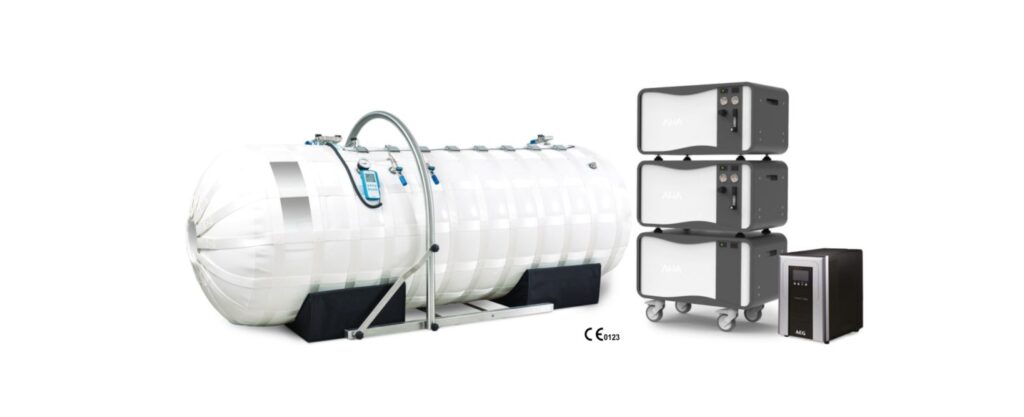
The type of chamber a clinic uses has direct implications for what conditions it can safely treat and how effectively it can respond to problems during a session. Monoplace chambers treat one patient at a time, typically pressurized with 100% oxygen. Multiplace chambers accommodate several patients simultaneously in an air-pressurized environment where oxygen is delivered by mask or hood, with medical staff able to remain inside the chamber during treatment. Hospital-based programs like NYU Langone’s operate multiplace systems suited to critically ill or complex patients who need a medical attendant present. Many private Manhattan clinics use monoplace hard-shell units, which are well-suited for stable, ambulatory patients completing scheduled outpatient treatment.
This guide walks through four key factors that separate a credible, medically supervised HBOT center from a glorified oxygen spa, plus a seven-question checklist you can use before you book a single session.
FDA-cleared chambers vs. low-pressure soft-shell pods
At Wiser HBOT in Midtown Manhattan, those answers are part of the first visit. The center is led by plastic surgeon Dr. Itay Wiser, and every patient is evaluated by the medical team before treatment begins. Sessions run in a medical-grade chamber at pressures of up to 2.0 ATA, and each plan states the pressure and number of sessions for the patient’s specific goal, whether that is recovery after surgery, wound healing, or neurological support. The consultation is free, so you can ask these questions before committing to anything.
This guide walks through four key factors that separate a credible, medically supervised HBOT center from a glorified oxygen spa, plus a seven-question checklist you can use before you book a single session.
What HBOT costs in NYC and when insurance will cover it
Self-pay sessions at private New York City clinics generally run $250 to $650 per session. Hospital-based billed charges can reach $1,500 to $2,500 per session before insurance applies.
Medicare Part B covers HBOT for specific indications listed in CMS National Coverage Determination 20.29. Covered conditions include certain diabetic foot wounds meeting Wagner grade III or higher criteria, decompression sickness, carbon-monoxide poisoning, compromised skin grafts or flaps, delayed radiation tissue injury, chronic refractory osteomyelitis, gas gangrene, and several other acute conditions. After the Part B deductible, Medicare covers 80% of the approved amount. Major commercial insurers including Empire BlueCross BlueShield, UnitedHealthcare, Aetna, and Cigna generally follow similar logic and require prior authorization, in-network treatment, and documented medical necessity.
Wellness, anti-aging, athletic recovery, and long COVID are generally excluded from coverage under current Medicare (per CMS NCD 20.29) and most commercial insurer rules. Before starting any treatment series, request a written estimate that specifies the CPT codes, facility and professional fees, your deductible and coinsurance responsibility, authorization status, and whether the provider is in-network for your plan.
What genuine medical supervision looks like session by session
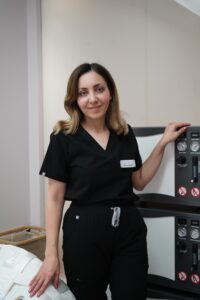
A properly supervised HBOT session involves more than putting a patient in a chamber and pressing start. It begins with a pre-treatment assessment, followed by a documented pressure and oxygen protocol matched to the patient’s specific diagnosis. A trained operator monitors the chamber throughout the session, and per UHMS Accreditation Standards, a physician should be physically present in the facility and immediately available for emergencies during private outpatient hyperbaric programs. If something goes wrong, oxygen toxicity, barotrauma, a cardiac event, an immediate, trained clinical response is the only acceptable answer.
What a standout HBOT clinic in Manhattan actually looks like
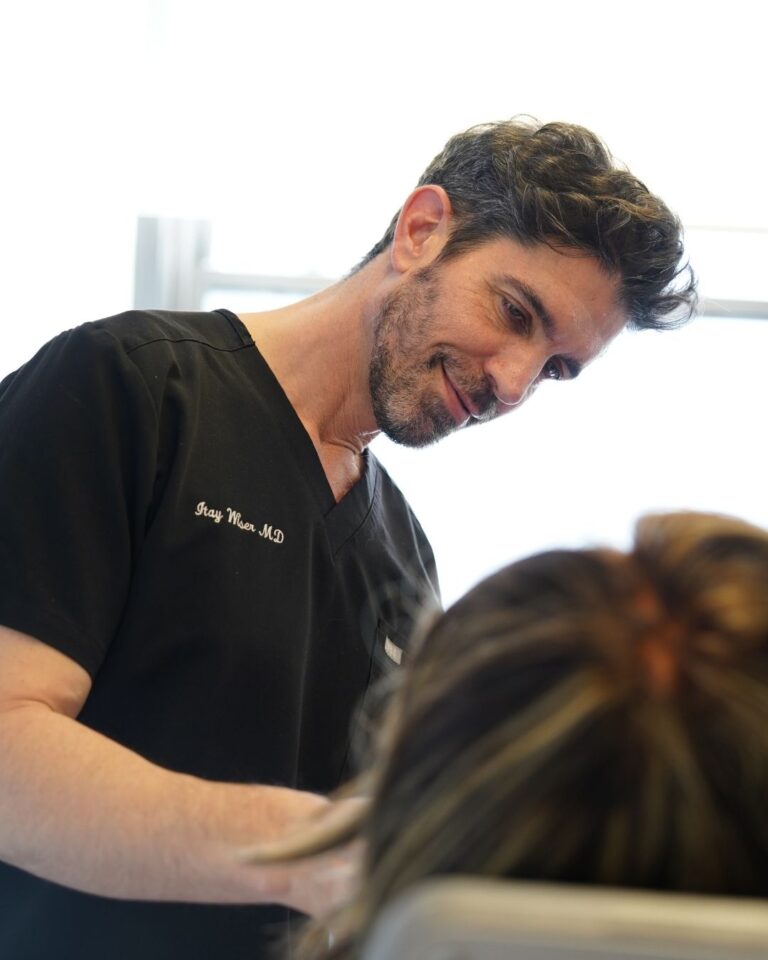
Wiser HBOT, located in Manhattan and founded by plastic surgeon Dr. Itay Wiser, is a concrete example of what the criteria above look like in practice. The clinical team includes Dr. Wiser, whose HBOT expertise is grounded in plastic surgery and his published research in the field, along with a physician assistant, providing the layered supervision structure that distinguishes a medical program from a non-clinical provider. Dr. Wiser’s specialty in plastic surgery and wound healing is directly relevant to the conditions HBOT is most often used to treat, including post-surgical recovery, tissue repair, and preoperative optimization.
Dr. Wiser has published peer-reviewed research on HBOT preconditioning before abdominoplasty, a level of documented clinical evidence that few wellness-oriented oxygen therapy centers can point to. In a retrospective cohort study of 356 abdominoplasty patients published in Plastic and Reconstructive Surgery: Global Open, those who completed a preoperative HBOT series had a complication rate of 8.4%, compared with 32.6% in controls. Tissue necrosis occurred in none of the HBOT-preconditioned patients, versus 6.2% in the control group. The adjusted odds ratio for complications was 0.188. As with any retrospective, single-center study, these results warrant further prospective investigation, but they represent published clinical data, not a marketing claim.
Wiser HBOT offers a free initial consultation, which is the appropriate first step for any patient evaluating a treatment series. (Availability may vary; confirm current details directly with the clinic.) The Manhattan location serves NYC residents and patients traveling from the tri-state area who want medically supervised hyperbaric oxygen therapy without a hospital setting. A consultation gives you direct access to the clinical team to ask every question on the list below.
Finding the best hyperbaric oxygen therapy clinic in New York City for your needs
Choosing the right hyperbaric oxygen therapy clinic in New York City comes down to one central question: is this a medical program, or is it a wellness experience using clinical language? The distinction matters because pressure, protocol, physician oversight, and chamber type directly determine whether treatment is appropriate for your condition.
A plastic surgeon leading an HBOT program, as at Wiser HBOT, brings surgical and wound-healing expertise that may offer meaningful advantages for post-surgical recovery, preconditioning protocols, and tissue repair, particularly when that expertise is backed by published research.
Schedule a consultation, bring questions above, and let the clinical team’s answers guide your decision. In hyperbaric medicine, the qualifications of whoever is supervising your care, and the equipment they are using, have a direct bearing on your outcome.