Hyperbaric Oxygen Chamber Therapy Near Me: Patient Guide NYC
Searching for “hyperbaric oxygen chamber therapy near me”? Hyperbaric oxygen therapy (HBOT) raises barometric pressure so more oxygen dissolves into plasma and reaches injured tissue. Higher tissue oxygen reduces swelling, encourages new blood vessel growth, supports fibroblast-driven repair, and can improve the effectiveness of some antibiotics. Surgeons and wound specialists recommend HBOT for selected problems such as nonhealing wounds, radiation injury, compromised grafts and severe infections.
Chamber types and what to expect
When you search locally, you’ll typically encounter two chamber types: monoplace units that treat a single patient breathing 100 percent oxygen, and multiplace units that can treat several patients while staff provide hands-on care. Outpatient centers commonly use monoplace chambers for routine wound care and patient comfort, while hospital programs use multiplace chambers for complex monitoring, intravenous therapy or emergent interventions. When evaluating a nearby program, ask how the facility monitors vital signs and whether staff have wound-care experience.
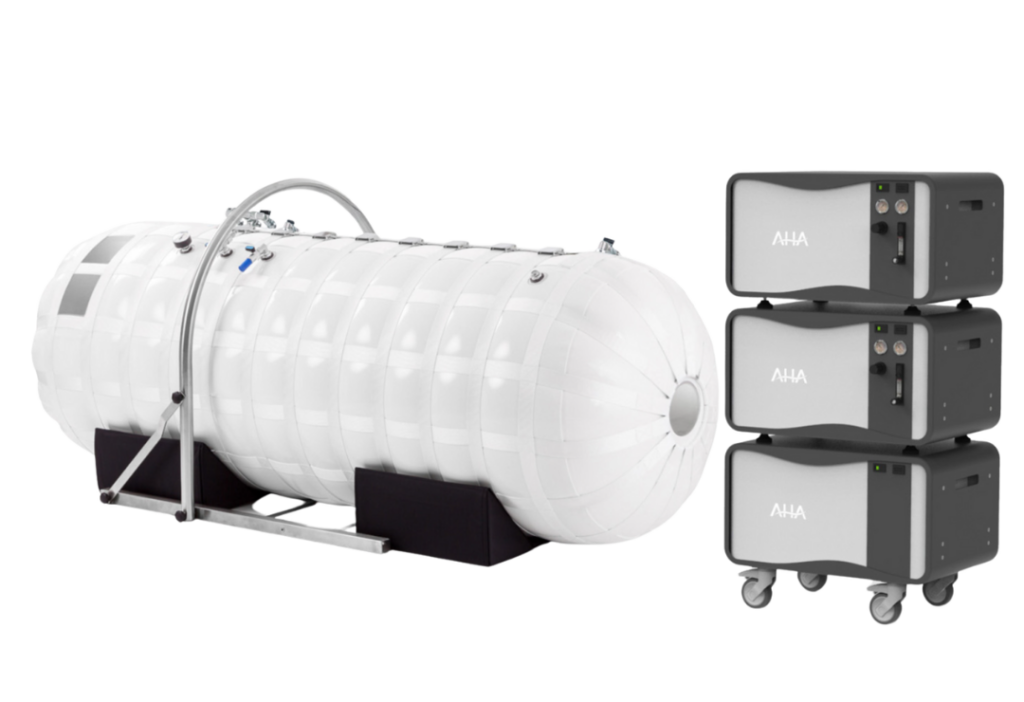
What hyperbaric oxygen chamber therapy is and when it's used
At its core, HBOT delivers 100 percent oxygen at elevated pressure to increase dissolved oxygen in plasma and raise oxygen tension in hypoxic tissues. Higher tissue oxygen accelerates angiogenesis, reduces edema, supports fibroblast activity and collagen formation, and can enhance some antibiotic and immune responses.
Clinicians select HBOT when those physiological effects are likely to change healing outcomes. The FDA has cleared HBOT for a defined set of conditions, including air or gas embolism, decompression sickness, carbon monoxide poisoning, non-healing wounds such as diabetic foot ulcers, compromised grafts and flaps, and radiation-related tissue injury.
For elective procedures, such as mommy makeovers, gynecomastia repair, breast reduction, facial rejuvenation or minimally invasive enhancements, HBOT is not standard for routine recovery but may be used if complications develop, for example compromised flaps, delayed healing or severe infection. When you and your surgeon consider HBOT, ask whether improved oxygen delivery is likely to change the clinical outcome. For guidance on perioperative HBOT use, see our article HBOT Before Plastic Surgery: Enhancing Results.
Costs, insurance coverage, and booking logistics
Per-session charges depend on the facility and the indication. Wellness or low-pressure sessions usually cost less, while medically billed outpatient sessions vary widely and hospital charges are higher; ask the clinic for written pricing and a session-by-session estimate for the full recommended course so you understand the total out-of-pocket commitment.
Insurance generally covers HBOT for FDA-cleared indications after prior authorization, including many Medicare and commercial plans. Insurers typically require documentation such as wound photos, serial progress notes and a provider justification documenting medical necessity; off-label or purely cosmetic uses are usually self-pay.
Many centers offer package discounts for multi-session purchases, weekend blocks, or twice-daily scheduling when clinically appropriate. Before you schedule, confirm physician supervision, prior-authorization timelines, and the clinic’s cancellation and rescheduling policies for multi-week courses.
What happens during a HBOT session and how to prepare
A typical HBOT visit follows a clear routine and the clinic will give pre-visit instructions to help you prepare. Expect a clinical check-in where staff review your history, current medications, and any implants or recent treatments that could affect safety.
You will have an ear and sinus check and be asked to remove jewelry, watches and petroleum-based lotions; wear loose cotton clothing and bring a current medication list. The session normally includes guided entry into the chamber, gradual pressurization, a 60- to 90-minute oxygen period, slow decompression and discharge, with staff monitoring you throughout.
Screening questions often cover recent chest or sinus infections, chronic lung disease, certain chemotherapy agents and implantable devices, and smoking is generally prohibited for several hours before treatment. Claustrophobia is common and manageable; practice ear-equalizing techniques such as swallowing or the Valsalva maneuver, ask about a mild anxiolytic if needed, or consider a multiplace facility if you prefer staff access during pressurization.
If you have had recent cosmetic or reconstructive surgery, inform both your surgeon and the hyperbaric clinic so they can coordinate care. Severe complications are rare when protocols are followed
Expected benefits, recovery timeline, and real-world outcomes
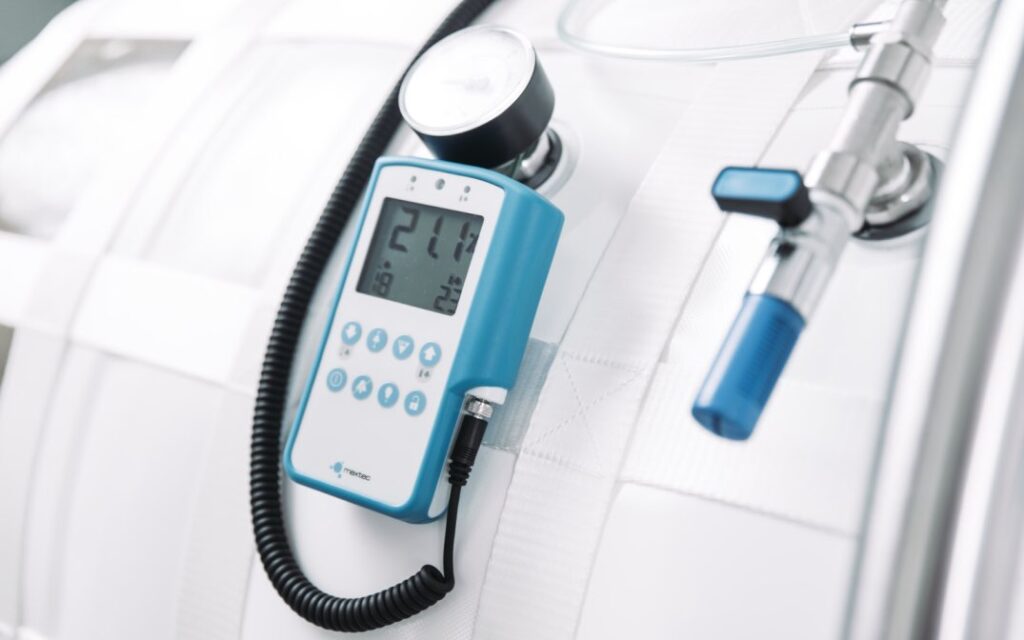
HBOT produces measurable improvements for several well-defined indications rather than acting as an immediate cure for all problems. Patients with compromised grafts or flaps often see benefit when therapy starts promptly; many wound-care patients notice tissue improvement after roughly 10 to 20 sessions, while chronic or radiation-related wounds commonly require 20 to 40 sessions and serial reassessment.
Clinical evidence supports outcomes such as reduced amputation rates for diabetic foot ulcers and better healing in radiation injury when HBOT is part of a comprehensive plan. Evidence for off-label uses is mixed and results vary; for cosmetic recovery or elective enhancements, HBOT is typically reserved for complications rather than routine use. A balanced review of evidence and limitations is available from Harvard Health.
Common side effects are usually minor and include ear or sinus barotrauma and temporary myopia; oxygen-toxicity seizures are very rare. Contact your surgeon or the clinic immediately for red flags such as increased pain, new drainage with fever, or sudden vision changes.
Make an informed choice about hyperbaric oxygen chamber therapy near me
Hyperbaric oxygen therapy delivers 100 percent oxygen at elevated pressure for specific wound, tissue and recovery indications rather than as a universal recovery or cosmetic enhancer. Prioritize physician-supervised centers, verify facility credentials and equipment, and confirm insurance coverage or self-pay expectations before you commit.
To move forward, request a virtual consultation with Dr. Itay Wiser MD, upload 2–3 current photos and relevant medical history, and ask whether HBOT is appropriate for your procedure or recovery plan. A targeted consult provides a personalized, evidence-based recommendation plus a clear plan for scheduling, insurance preauthorization and safe treatment so you can proceed with confidence.